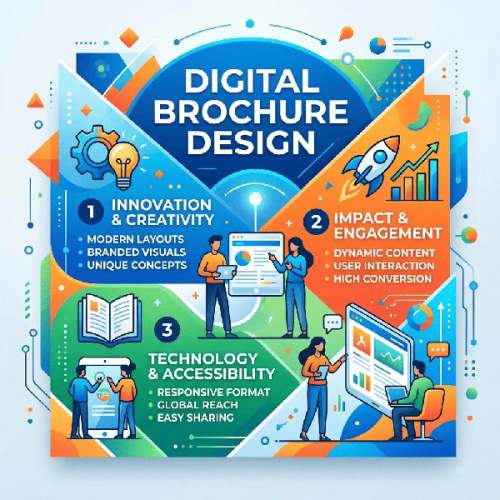
A high-impact digital brochure is one of the most versatile sales assets a B2B company can own. Unlike traditional print, a digital brochure is built specifically for screens—designed to be quickly skimmed, shared via WhatsApp or email, and easily read on both laptops and mobile devices.
For international buyers and corporate procurement teams, your brochure acts as a primary trust signal. Here is how to design it for maximum professional impact.
1. Master Layout & Format Principles
The structure of your document dictates whether a prospective client actually reads through it or closes the tab immediately.
-
Landscape Orientation (16:9 Aspect Ratio): Always prioritize a horizontal layout over standard portrait paper formats. Corporate buyers read digital brochures on desktop monitors or tablets; a 16:9 landscape format fills their screen perfectly without forced zooming.
-
The 3-Color Maximum Rule: Keep your visual identity clean and focused. Use your primary brand color for structural blocks, a secondary neutral tone (like slate grey or crisp white) for content backgrounds, and a high-contrast accent color (like a vibrant gold or teal) strictly to guide the eye toward key call-outs or action items.
-
Generous Whitespace: Leave at least 30% to 40% of every page completely empty. Grouping text into heavy, edge-to-edge blocks creates visual fatigue. Whitespace frames your information and makes technical data points stand out.
2. The Ideal B2B Page Sequence
A standard 6 to 8-page brochure should follow a highly logical corporate narrative. Avoid long, winding introductory stories and get straight to business capability.
1.The Hook Cover:
Keep text minimal. Feature a high-resolution, professional image of your facility or primary product category, your company logo, and a singular, powerful value proposition statement.
2.Corporate Overview & Trust Credentials:
A brief statement on who you are, your production capacity, and your target markets. Crucially, dedicate the bottom half of this page to displaying security, quality, and compliance logos (such as ISO, HACCP, or industry-specific certifications).
3.Core Product / Service Catalog:
Organize products by distinct categories. Instead of dense paragraphs, use clean grid layouts showing high-quality product imagery side-by-side with concise technical bullet points (materials, dimensions, unique grading).
4.Supply Chain & Global Logistics Capabilities:
For global buyers, this is a make-or-break section. Explicitly state your standard packaging standards, container loading capacities, preferred shipping ports, and accepted Incoterms (like FOB or CIF).
5.The Direct Action Back Cover:
End with a singular, unmistakable Call to Action. Provide direct corporate contact details (verified emails, global office addresses, and a QR code linking straight to your digital inquiry form or website).

krishna
Krishna is an experienced B2B blogger specializing in creating insightful and engaging content for businesses. With a keen understanding of industry trends and a talent for translating complex concepts into relatable narratives, Krishna helps companies build their brand, connect with their audience, and drive growth through compelling storytelling and strategic communication.