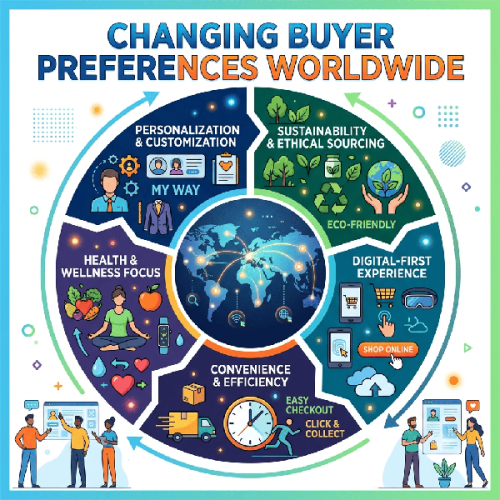
The landscape of global purchasing is shifting rapidly, driven by technological advancements, economic pragmatism, and a fundamental change in what buyers value most. Here is a straightforward breakdown of the primary trends reshaping how purchasing decisions are made worldwide:
The Evolution of Global Buyer Preferences
-
The Demand for Radical Transparency & Sustainability
Buyers—from individual consumers to large-scale international procurement teams—are demanding deep visibility into supply chains. There is a shrinking tolerance for "greenwashing." Buyers want verifiable proof of ethical sourcing, sustainable agricultural practices, and clean supply networks. For businesses exporting goods, particularly in sectors like agriculture or organic products, end-to-end traceability is no longer just a bonus; it is a decisive competitive advantage.
-
Health-First and "Clean" Consumption
Global consumers are prioritizing proactive health management over reactive treatments. This translates to a surging preference for clean-label, natural, and minimally processed goods. International markets are applying stricter scrutiny to health standards, meaning that transparent ingredient communication and globally recognized certifications are critical for capturing and keeping market share.
-
Omnichannel Discovery and B2B Digital Fluency
The traditional boundaries between B2C and B2B buying behaviors have dissolved. Global buyers expect frictionless digital discovery. They frequently initiate their sourcing through specialized digital directories, search engines, and global marketplaces before ever speaking to a sales representative. Maintaining precise SEO strategies—ensuring product pages have highly optimized titles, targeted meta keywords, and clear descriptions—is essential to intercepting buyers during their initial research phase.
-
Value Optimization and Economic Pragmatism
While buyers are willing to pay a premium for certified quality and sustainability, economic volatility has made them highly analytical about their return on investment. They are looking for genuine, long-term value rather than just the lowest upfront price. Whether a buyer is optimizing household expenses or a business is looking to lock in measurable procurement cost savings (₹), vendors must clearly articulate their quality-to-price ratio to build loyalty and prevent supplier switching.
-
Localization in a Global Context
Buyers want the scale and reliability of global suppliers, combined with the nuanced understanding of a local partner. This means adapting to regional expectations—from smoothly navigating specific customs duties and offering favorable Incoterms, to tailoring product specifications and packaging to meet local market tastes and regulatory frameworks.

krishna
Krishna is an experienced B2B blogger specializing in creating insightful and engaging content for businesses. With a keen understanding of industry trends and a talent for translating complex concepts into relatable narratives, Krishna helps companies build their brand, connect with their audience, and drive growth through compelling storytelling and strategic communication.